


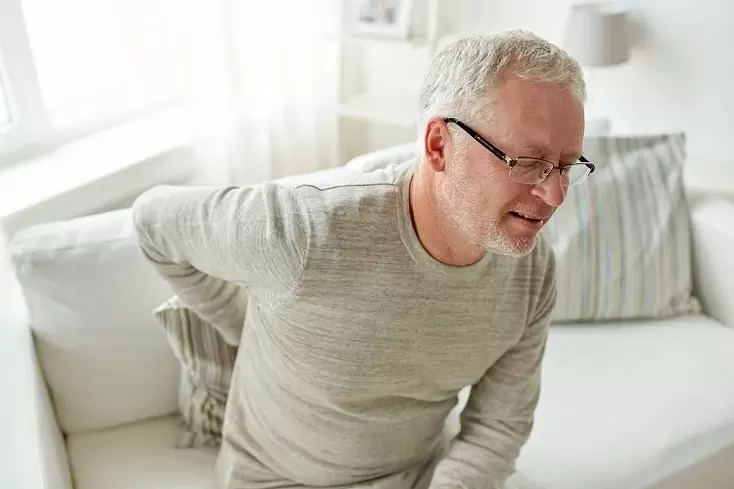
Neck pain is a common symptom characterized by pain in the cervical spine.It is caused by mechanical damage or systemic disease.A person complains that their neck hurts when they bend or turn their head sharply.The acute pain may last 10 days and then disappear.If it persists for a long time and does not give rest, it is necessary to seek urgent help from specialists.Treatment of neck pain, the diseases and injuries that cause it, can be received in a specialized clinic.
Causes of neck pain
Pain in the neck area occurs for the following reasons:
- acute torticollis - a pain syndrome caused by injuries to the neck muscles, lifting heavy objects or prolonged stay in an uncomfortable position, which usually disappears within 1 or 2 days;
- spinal wear – deformation of the joints and bones of the spine;
- Whiplash: A sudden movement of the head that damages the tendons and ligaments in the neck;
- pinched nerve - cervical radiculopathy, which occurs due to damage to the intervertebral disc;
- cervical osteochondrosis is a disease of the spine that causes degenerative changes in the intervertebral discs and is accompanied by severe pain in the neck, which radiates to the arm;
- hernia in the cervical spine - a disease that causes pinching of the nerve roots, pain in the neck and shoulder, decreased sensitivity in the arm and decreased muscle strength;
- Acute thyroiditis is a rare disease characterized by inflammation of the thyroid gland.
Factors that cause neck pain include:
- febrile condition;
- sudden weight loss;
- impaired coordination of movements;
- physical fatigue;
- cervical injuries;
- B vitamin deficiency;
- poor posture;
- genetic predisposition;
- unhealthy lifestyle.
A common cause of neck pain in children is lymphadenitis, a complication of tonsillitis.When infected, discomfort is noted in the head and neck area.Intracranial hemorrhages, neoplasms and abscesses can also cause pain syndrome.
Types of neck pain
Depending on the location of the pain, neck pain is divided into the following types:
cervicalgia
The pain is only in the neck area.If it extends to the arms, this syndrome is called cervicobrachialgia.When it radiates to the head it is cervicocranialgia.
Cervical lumbago or cervicago
It is characterized by intense sharp pain with any movement of the neck and head.It may radiate to the back of the head or the thoracic spine.The duration of the attacks can reach 10 days.In rare cases, the pain continues for 2 or 3 months.
Diagnostic methods
First of all, the doctor performs a visual examination and palpation of the neck to determine the nature of the pain and the cause of its occurrence.To confirm the diagnosis, the clinic performs laboratory tests and recommends that the patient undergo a plain x-ray if an injury or disease of the skeletal system is suspected, a CT scan or an MRI if the specialist suspects that the cause of the pain may be diseases of the cervical vertebrae.Electromyography will be required to check the functioning of the nervous system.
In clinics, the cause of neck pain is determined by the following methods:
- MRI (magnetic resonance imaging)
- Ultrasound (ultrasound examination)
- Duplex scanning
- computed tomography
- computer electroencephalography
- Complete body examination (check-up)
Treatment for neck pain
The treatment strategy is selected taking into account the pathology or injury that caused the neck pain.Conservative and surgical treatment is usually carried out using modern technologies.If the underlying disease can be cured, the patient is prescribed pain relievers, glucocorticoids, local anesthetics, antioxidants and muscle relaxants.If necessary, antidepressants and anticonvulsants can be used.Analgesics are the basis of drug treatment aimed at relieving pain, swelling and inflammation.
Physiotherapeutic procedures (osteopathy, physiotherapy, neck massage, manual therapy) will also help eliminate pain.Ultrasound therapy is recommended to relieve spasms and improve blood circulation.The duration of treatment depends on the severity of the pathological process.
If a patient is diagnosed with an intervertebral hernia and spinal cord damage, he or she is referred for surgery.
In specialized clinics, the following methods are used to treat neck pain:
- manual therapy
- kinesio tape
- Physiotherapy
- therapeutic massage
- Reflexology
- Ozone therapy
- plasma therapy
- SVF therapy
- therapeutic exercise
- Shock wave therapy
- Interstitial electrical stimulation
Complications of neck pain.
Neck pain itself is a symptom;It cannot cause complications, but it worsens the person's quality of life.But without treatment for neck pain, its causes can have serious consequences.If caused by a whiplash injury, this is fraught with blurred vision, dizziness, post-traumatic osteoarthritis, and neuroses.Cervical osteochondrosis without medical attention leads to irreversible damage to the spine and death.
If left untreated, cervical spine pathology can cause tetraparesis.Initially, the patient will experience numbness in the fingers and hands at night or after physical activity.Then gradually paralysis of the legs will begin to develop.It is characterized by numbness of the fingers and alteration of gait.
A hernia in the cervical spine can cause compression of nerve roots and interruption of blood flow to the brain.Without a well-chosen treatment regimen, spinal deformation will occur.It is accompanied by neurological disorders, disorders of the digestive system and migraine attacks.
Prevent neck pain
To prevent neck pain, you should properly organize your workplace.When working sedentarily, it is necessary to periodically take breaks and perform various exercises for all parts of the spine and muscle groups.It is also recommended to do gymnastics in the morning.
Many diseases of the cervical spine can occur due to excess weight.Therefore, it is advisable to control your weight, eat well, visit the pool and the gym.It is advisable to sleep on a medium hard mattress and use a pillow so that your head is at the same level as your body.